
Retrofits · Corridor
RFT-CDR-08Protected bike lane retrofit via lane removal
Installs a physically separated bike lane by removing an entire travel lane, the same underlying mechanism as a road diet, applied specifically to create bike facility space.
Strategy viewer
No illustration of Protected bike lane retrofit via lane removal has been made yet. Interactive views are planned for every pattern and Retrofit Strategy.
#Overview
Where narrowing lanes alone doesn't recover enough width for a genuine protected facility, removing a full travel lane does. This is effectively a road diet whose primary purpose, rather than a secondary benefit, is the bike lane it creates. AASHTO recommends this approach specifically where a corridor's traffic volume can absorb the reduced through capacity.
Related Media
3 items
 Aligned(opens in new tab)
Are Streets Too Complicated Now?
 City Beautiful
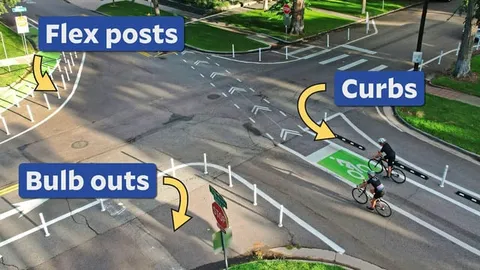
Asks whether today's proliferation of lines, signals, and lane types on streets is overcomplication or a needed response to modern demands, a question that runs directly through CS's Element-scale catalog and the density-tiered Corridor retrofit paths this video is tagged to.
MED-004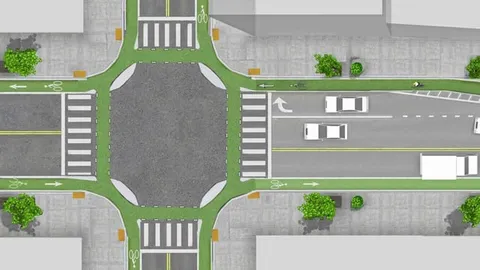 Aligned(opens in new tab)
Dutch-style intersection design: bike-friendly
 BicycleDutch
Shows the protected-intersection design vocabulary, continuous cycle tracks, corner refuge islands, separated signal phasing, that underpins CS's Protected Intersection pattern and the Corridor retrofit paths built around it.
MED-005 Aligned(opens in new tab)
America's deadliest road, explained
 Vox
VoxVox examines a one-kilometer stretch of US-19 in Florida, the deadliest of 60 pedestrian-fatality hotspots in a national study, and shows how eight lanes, 45 mph speeds and crossings nearly a kilometer apart make deaths predictable rather than accidental. It is a vivid case study of the Stroad problem and of the crosswalk, signal, driveway and lane-removal fixes the Commonway System specifies.
MED-107
#Where this leads: Target patterns
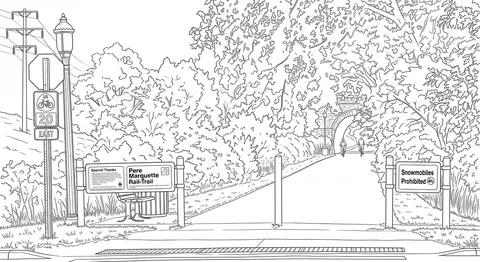
- Bike Highway / Greenway (COL-BHG-04)
- Default (No Parking, No Direct Access) (ART-DEF-01) with Protected Bike Lane / Cycle Track (ELM-PBL-37)
#Applicability and thresholds
Follows the same volume thresholds as a standard road diet, since removing a lane carries the same through-capacity implications regardless of what the recovered space becomes. Most viable below roughly 19,000 to 25,000 vehicles per day.
#Evidence and effectiveness
FHWA reports crash reductions of up to 29 percent on road diet conversions generally; where the recovered lane specifically becomes a protected bike lane, the same crash-reduction mechanism applies alongside the added bicycling safety benefit of physical separation from traffic.12
#Getting it built
Can move through the construction spectrum the same way a standard road diet does, restriping first, with a protected lane's physical separation elements (curbs, planters, or flexible posts) added at the quick-build stage before permanent construction. See Construction Methodology & The Build Spectrum.
#Who can move this
Usually a city or county transportation department decision, following the same approval path as a standard road diet. See Legal & Planning Mechanisms.
#Related retrofit strategies
- Protected bike lane retrofit via lane-width reallocation (RFT-CDR-07)
- Protected bike lane retrofit via parking reduction (RFT-CDR-09) (the other two approaches to the same underlying goal, distinguished by where the recovered width comes from)
#References
- Evidence-based Transportation Policy Research, Texas A&M Transportation Institute, "Bicycle Lanes." AASHTO-recommended retrofit approaches without widening the road.(opens in new tab)
- Legal / regulatory Federal Highway Administration, "Road Diets (Roadway Reconfiguration)," Proven Safety Countermeasures, FHWA-SA-12-013.(opens in new tab)