
Curb
ELM-CRB-01 Recommended Element
Curb
The raised edge separating the roadway from the sidewalk or shoulder, marking the physical boundary between space allocated to vehicles and space allocated to pedestrians or the roadway edge condition.
Related Media
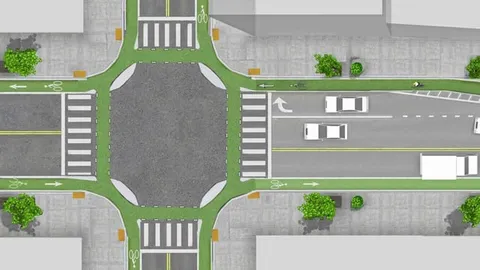

#Why this pattern exists
The curb is the single most foundational physical element separating modes on a street; its height, material, and continuity determine drainage behavior, accessibility, and how legible the vehicle/pedestrian boundary reads to everyone using the street. Nearly every other Element pattern in this family (extensions, ramps, cuts) is a modification or interruption of this base condition, so it needs its own definition first.1
#Key considerations
- Height should be sufficient to discourage casual vehicle encroachment onto the sidewalk while not creating a tripping hazard where pedestrians cross it
- Material and profile should be durable against snowplow damage in climates where that applies
- Continuity matters: an interrupted or inconsistent curb line undermines drainage design and the clarity of the mode boundary
#Related patterns
Curb Extension (ELM-CBE-02), Curb Ramp (ELM-CRP-03), Curb Cut/Driveway Apron (ELM-CCA-04) (all modifications of this base element); Crosswalk (ELM-CRW-08) (a common interruption point)
#References
© 2026 Commonway System