
Traffic Signal
ELM-TFS-14 Traffic Signal
Related Media
 Aligned
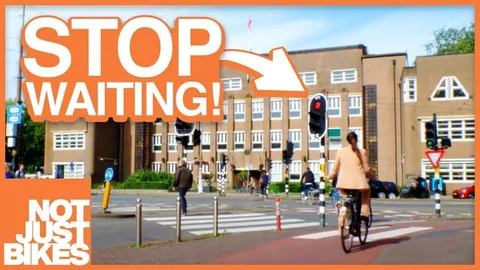
Why the Dutch Wait Less at Traffic Lights
 Not Just Bikes
Breaks down Dutch traffic-responsive signal timing, independent phasing, transit signal priority, and no-right-turn-on-red as a pedestrian/cyclist safety measure.
 Aligned
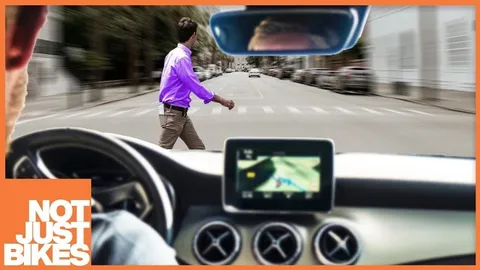
Crossing the Street Shouldn't Be Deadly (but it is)
Not Just BikesThis video walks through pedestrian crossing designs, from beg buttons and signal phases to raised crossings, HAWK beacons, and continuous sidewalks. It shows how crossing geometry and timing decide whether walking is safe, the same question behind the Commonway System's crosswalk and crossing elements.
#Why this pattern exists
Above a certain volume or conflict complexity, an uncontrolled or sign-controlled intersection can no longer safely and efficiently sort competing movements; a traffic signal imposes timed, positive control over who moves when. This pattern exists to document signal use as a documented departure from Commonway System’s roundabout-default intersection treatment, requiring its own justification.
#Key considerations
- Consistent with Commonway System’s intersection defaults, signal installation should require documented burden-of-proof justification rather than being a default choice1
- Timing and phasing should account for all modes present, not just vehicle throughput; pedestrian and bicycle phases need adequate crossing time
- Signal coordination along a corridor affects speed and platooning behavior well beyond the single intersection where it is installed
#Related patterns
Roundabout (INT-RAB-01) (the CS default this pattern is a documented departure from); Pedestrian Signal (ELM-PDS-15), Bicycle Signal (ELM-BCS-16) (companion signal types at a signalized intersection)