
Vertical Speed Control
ELM-VSC-06 Vertical Speed Control
Related Media
 Aligned
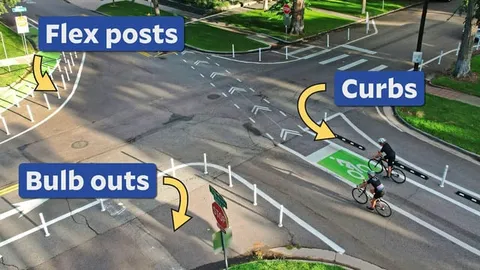
Are Streets Too Complicated Now?
 City Beautiful
Asks whether today's proliferation of lines, signals, and lane types on streets is overcomplication or a needed response to modern demands, a question that runs directly through CS's Element-scale catalog and the density-tiered Corridor retrofit paths this video is tagged to.
 Aligned
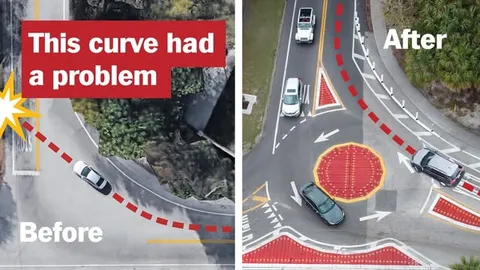
This is the key to safer streets
 Streetcraft
A full traffic-calming toolkit walkthrough, plastic mini-roundabouts, curb extensions, chicanes, the speed bump/hump/cushion/table family, and a Cincinnati road-diet case study with dramatic before/after crash data.
 Aligned
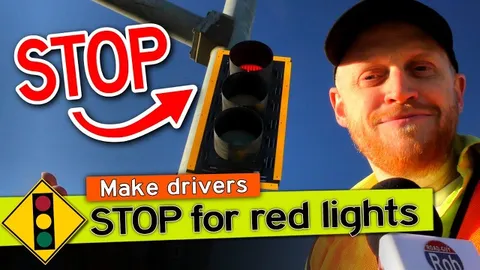
Three ways to FIX a STOP LIGHT (so drivers ACTUALLY STOP!)
 Road Guy Rob
The video covers practical signal-design fixes that cut red-light running, from better visibility to slower approaches and fewer stops. It is applied evidence for the Commonway System's signal intersection pattern.
 Aligned
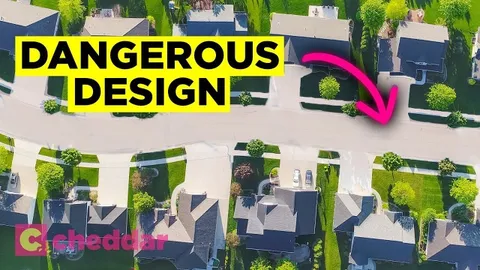
A Flaw In Street Design May Be Costing Lives - Cheddar Explains
 Cheddar
The video explains "forgiving design," the wide clear zones built for driver error, and draws the roads-versus-streets distinction. It covers the design-speed thinking at the heart of the Commonway System's street types and design speed guides.
 Aligned
20mph speed limits do save lives, and most road users respond to them well, study suggests
The article reports on a study of Edinburgh and Belfast showing citywide 20 mph limits cut road deaths by nearly a quarter and serious injuries by a third. It backs the Commonway System's signature 20 mph maximum on local streets.
#Why this pattern exists
Signage and paint alone rarely change driver speed on their own; a physical vertical deflection imposes a real cost on speeding that self-enforces without requiring active enforcement presence. This pattern exists to document the distinct forms this treatment takes and where each is appropriate, since a hump, table, and cushion serve different vehicle types and roadway contexts differently.1
#Key considerations
- Form should match context: cushions allow emergency vehicles and buses to straddle them with less impact than a full-width hump or table
- Placement and spacing should be based on desired speed and roadway geometry, not applied as a one-size-fits-all interval
- Drainage and snowplow operations need consideration in colder climates, since a raised feature can interfere with both
#Related patterns
Rumble Strip (ELM-RMS-07) (a related but distinct calming treatment using texture rather than vertical deflection); relevant Local and Collector Segment patterns where speed control applies; Neighborhood Traffic Circle / Mini-Roundabout (ELM-NTC-46) (an alternative Local-to-Local calming treatment)
#References
- Precedent-based Institute of Transportation Engineers, Guidelines for the Design and Application of Speed Humps (updated edition).(opens in new tab)