
Transit Boarding Island
ELM-TBI-41 Transit Boarding Island
Related Media
 Aligned
Trams are Great! So why are the Streetcars SO BAD!?
 Not Just Bikes
The video diagnoses why North American streetcars underperform, blaming mixed-traffic operation, signal delay, and poor stop design. Its proposed fixes, dedicated lanes, signal priority, and better stops, mirror the transit patterns in the Commonway System.
 Aligned
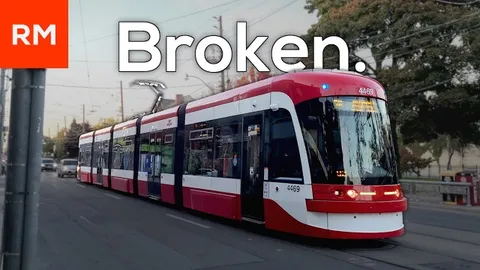
A Plan to fix Toronto's Streetcars
 RMTransit
The video proposes concrete fixes for Toronto's streetcar network: traffic and signal priority, upgraded stops, and operational improvements. These map to the Commonway System's transit priority retrofit and transit patterns.
 Aligned
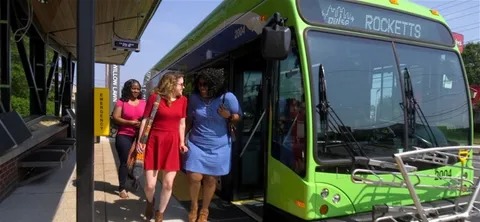
ITDP Releases First-Ever Bus Rapid Transit Guide for U.S. Cities
The article announces ITDP's BRT implementation guide for US cities, covering corridor selection, equitable planning, and case studies from Hartford, Albuquerque, and Richmond. It supports the Commonway System's arterial transit pattern and transit priority guidance.
 Aligned
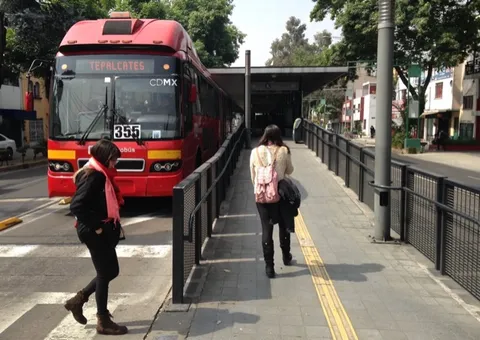
All we are saying is give bus rapid transit a chance: Train-like service at a price we can afford
 Streetsblog Chicago
A civil engineer lays out the five elements of true BRT and recounts why Chicago's Ashland BRT failed politically while making the case for a Western Avenue line. It covers the transit priority and boarding details in the Commonway System's arterial transit guidance.
#Why this pattern exists
Where a protected bike lane runs along a curb that also serves transit stops, a standard curbside stop forces either the bus to cross the bike lane to reach the curb, or passengers to cross the bike lane to board, both creating a recurring conflict point. A boarding island resolves this by placing the stop between the two facilities, letting each operate without crossing the other. This pattern exists to document that specific, well-defined conflict and its resolution.1
#Key considerations
- Island width must accommodate expected passenger volume and any accessibility equipment (wheelchairs, strollers) waiting to board
- The bike lane routing around the island needs clear delineation so cyclists understand they are expected to yield to boarding and alighting passengers crossing their path
- Most relevant wherever a protected bike lane and a transit stop coincide on the same corridor; not a general-purpose treatment outside that specific pairing
#Related patterns
Protected Bike Lane/Cycle Track (ELM-PBL-37), Transit Platform (FAC-TPL-02) (the two facilities this pattern reconciles); Detectable Warning Surface (ELM-DWS-10), Curb Ramp (ELM-CRP-03) (companion accessibility elements)